


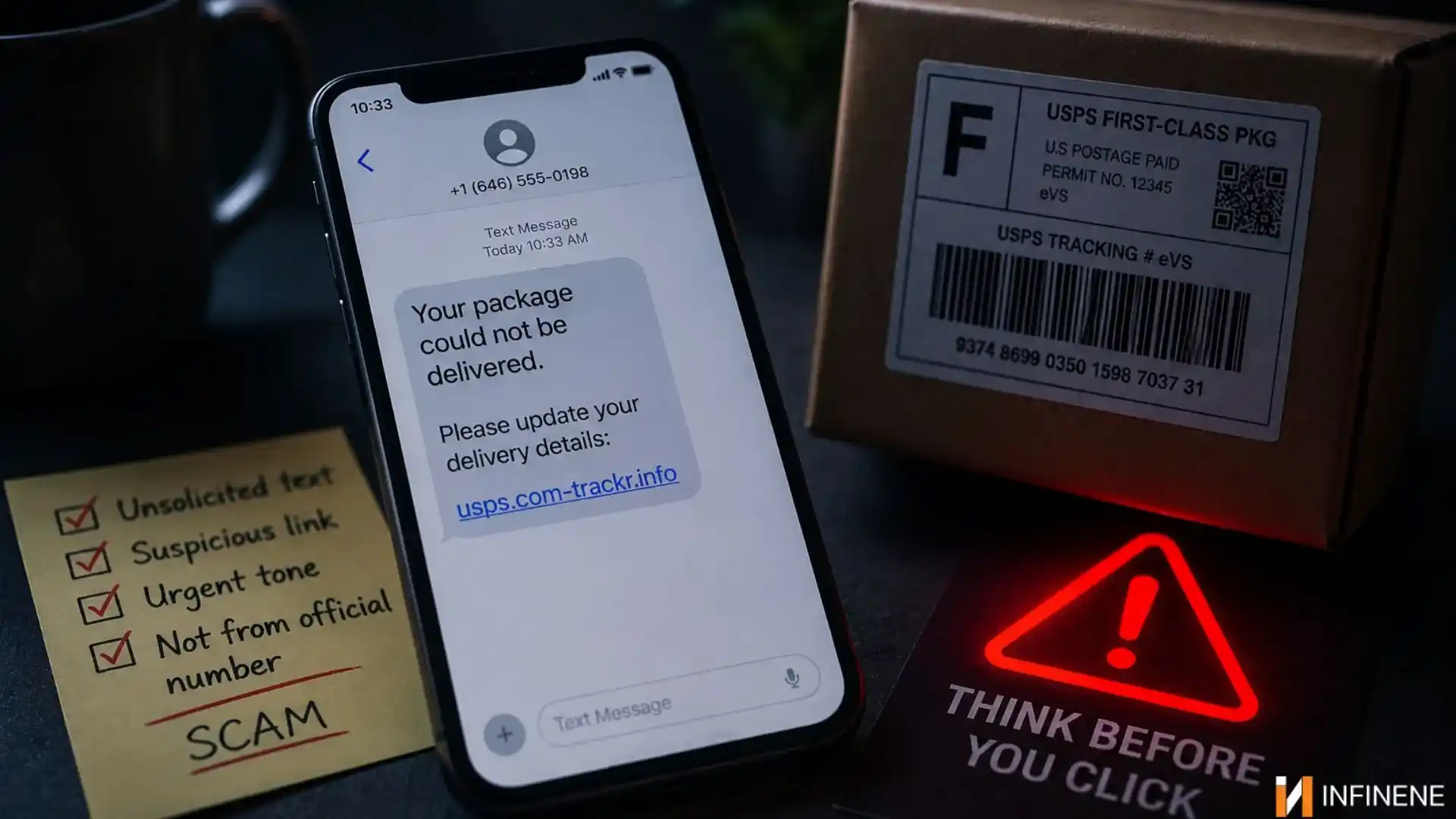
"Your package could not be delivered. Please click here to update your shipping information."
For a lot of Americans, this message feels totally believable. I mean, online shopping is kind of an everyday life thing now. Whether it’s a household essential, some kind of present, or a subscription order, millions of packages are going across the United States every single day. That’s exactly why cybercriminals have been using package delivery notifications as one of their best new scams.
The newest delivery text scam is spreading fast. It’s aimed at folks who shop online often and basically expect delivery arrivals from the big shipping companies. The messages show up looking urgent and professional. They usually land at that “perfect” moment to make the receiver do something right away.
But the tricky part is that what looks like a harmless delivery update can flip on you really quick. It can lead to the exposure of personal information and even financial fraud. Sometimes it happens before you even notice, like, one second, it’s nothing, then suddenly it’s a mess. Americans across the country are falling for the delivery message scam without realizing it. Let's learn all about it.
Scammers are always hunting for ways to take advantage of everyday stuff and online shopping has turned into one of the easiest places to strike. A lot of Americans order products online every week, so package deliveries just feel like a normal part of life now. Whether it’s groceries, electronics, clothing or random household items, people get used to those shipment updates and delivery status messages, like it’s no big deal.
Cybercriminals clock that routine and they use it like a shortcut. Instead of cooking up huge elaborate schemes, they just mimic messages that you already expect to see. A text saying there’s an issue with your package delivery doesn’t always feel suspicious. It sounds familiar and kind of relevant to what you’re doing anyway. A lot of recipients just tap the link without taking a moment to check if the message is actually real.
What makes the delivery text scam so dangerous is how convincing it has gotten. Compared to the older phishing attempts that were often full of weird spelling issues and obvious “this is wrong” red flags, today’s messages are way more polished. They are built to look authentic, as they belong there. Some scams include realistic tracking numbers and links. And in many cases, the fake sites are basically exactly like the real ones. So, noticing the difference can feel pretty tricky sometimes.
As online shopping keeps getting bigger, these scams are appearing more and more often. The blend of convenience, urgency, and that usual familiar tone makes the delivery message scam one of the most effective mobile phishing moves, cybercriminals are using right now.
Most delivery-related scams use a pretty simple but also extremely effective rhythm that is meant to fool recipients into offering sensitive information, even if they don't realize it right away.
It starts when scammers blast thousands or even millions of text messages to random phone numbers. Usually, the messages say there’s some kind of problem with a shipment, and then they add that a quick action is required. Since lots of people are waiting on online orders, the note can seem believable at first glance, like it belongs there. Common notifications include:
Your package could not be delivered.
A delivery attempt was unsuccessful.
Your shipping address needs verification, unfortunately.
An additional payment is required to finish the delivery.
A package is waiting for pickup.
Delivery has been suspended due to incorrect information.
The scam text usually has some link that creates a false sense of urgency, like “now now”. When someone taps that link, they get redirected to a made-up page that looks legitimate, sort of convincing. After someone reaches the site, victims are typically asked to share personal or money related information, like
Full name and home address
Phone number
Email address
Credit or debit card details
Banking information
Account usernames and passwords
In lots of cases, the fraudsters ask for a small “redelivery fee” or a processing charge. Since the amount is often only a few dollars, many victims don’t think it’s weird and they enter their payment info without much hesitation. But the point is not only that small fee. Once the data is submitted, it’s gathered by cybercriminals and then it can be used for financial deception, identity theft, account takeover, or even for later phishing attempts. A delivery notification that seems almost harmless can turn into a real safety problem fast.
The delivery message scam keeps pulling in millions of people. because it kind of uses everyday habits and normal human reactions instead of needing some fancy or sophisticated technology. Here are the reasons it works so well.
People Are Already Expecting Deliveries: Online shopping is at an all-time high. People are waiting for one or more parcels at any given moment. So, if a notification comes up about a delivery problem, it usually feels genuine because it lines up with what they already have in transit.
The Messages Create a Sense of Urgency: Scammers lean on phrasing that pushes instant action. Those warnings about a package being sent back, delayed, or even canceled can corner the recipient into clicking a link pretty fast, before they even bother to double check the note.
The Requested Action Appears Harmless: Most scam texts will ask you to confirm an address or pay a small fee. And because it looks like a normal little step, lots of people don’t treat it like a security threat.
Timing Makes the Scam More Convincing: Cybercriminals often target more during the big shopping events like Black Friday and Christmas. In those stretches, people are already waiting for a lot of deliveries. So, an “extra check” message sounds kind of logical, even if it really isn’t. So, the fake notifications can blend in more easily and get harder to notice.
People Trust Text Messages More Than Emails: A lot of users have learned to be cautious with sketchy emails. But they can be less suspicious with texts, thinking they are more personal, or somehow more official.
Mobile Devices Encourage Quick Decisions: Most delivery alerts end up getting opened on smartphones. People are always in a rush and multitasking. They usually tap the link quickly, without really checking.
A lot of people think that getting tricked by a delivery text scam is only going to cost them a couple of bucks or maybe just a fake delivery fee. But honestly, it can go a lot further than that. These messages are built to pull out personal plus financial details and then that info gets used in a bunch of ugly ways.
The most immediate danger is financial fraud. If the scammer manages to grab your credit card or banking info, they can turn around and use it for unauthorized purchases or cash withdrawals. A lot of times, victims don’t notice anything is off until the harm is already pretty big, like too late.
Stuff like your name, address, phone number, email address, and date of birth can be extremely valuable for cybercriminals. When they have all those pieces, it becomes easier to do identity theft. The criminals can use the stolen data to open new accounts, request loans, submit fake tax returns, or even slip into accounts that are already in your name. And repairing that kind of damage can be slow plus stressful, emotionally as well as practically.
A lot of phishing pages ask you to type in login credentials for email, shopping portals, or other online platforms. Once they have those details, scammers can switch passwords, prevent you from getting back in, and sometimes reach other connected services too. A single compromised email account can turn into a kind of entry point for several other accounts.
Even if there is no immediate fraud, the danger does not always stop there. Scammers often hold on to the stolen info or they trade it back and forth with other cyber criminals. Then you get these repeated spam messages and “targeted” scams that just keep coming for months and even years. A lone reply to a fake delivery notification can cause long-term security plus privacy risks that go way beyond the original text message.
As delivery message scams start getting a bit cleverer, it can be hard to tell which messages are counterfeit and which are for real shipping updates. Still, there are a couple of warning signs that help you notice the fake ones before it causes you trouble. Spotting these red flags means you don’t get lured into a delivery message scam.
● You Were Not Expecting a
Package
One of the easiest little tests for a sketchy delivery
text is to ask yourself if you’re genuinely waiting for anything. If you
haven’t placed an order lately or you’re pretty sure no shipment is coming,
then treat that “delivery notification” as suspicious. Scammers send messages
to a bunch of random numbers, they kind of hope that a few people actually are
expecting a parcel or something similar.
Real shipping companies usually use official sites and domains. A scam message often hides a link inside it. A company name that doesn’t quite look right or has random letters and numbers. Sometimes, they also contain a web address that feels off. Before you click, just pause and make sure it actually matches the company’s real website.
There’s the “hurry up” vibe. Scammers really lean on panic, and they’re counting on you reacting fast. If the note says your package will be returned, canceled, or kept up unless you do something right now, it’s usually just there to shove you into clicking without thinking. Legitimate services don’t typically throw in such aggressive pressure language.
Watch for anything about a delivery fee, customs charges, an address verification payment, or redelivery costs. Trustworthy shipping providers generally don’t ask for payments through random unsolicited texts. If you see an unexpected payment request, treat it like a major warning sign.
Finally, check grammar and formatting. Some scam texts can look polished, but a lot of them have little tells like awkward phrasing, odd formatting in spots, or just plain old weird wording. You know, those small details sometimes make it pretty clear the message didn’t really come from a legitimate company, even if at first glance it seems sort of normal.
If you accidentally tapped a link in a suspicious delivery text message, don’t panic. The most important part is to move quickly. A speedy response can seriously reduce the odds of financial loss or identity theft. The sooner you react after you interact with that delivery text scam, the better your odds of reducing whatever damage might be there.
Contact your bank right away. Consider freezing the card or swapping it out entirely. Also, take a careful look at your latest transactions and tell them about any unauthorized charges ASAP.
Change the affected password immediately. If you’ve been using the same password across different sites, update those too. Turn on multi-factor authentication.
Do a thorough security scan using trusted antivirus software. Then, update your device’s operating system. After that also, update your security tools so you get the most advanced protection patches. Next, go ahead and clear out anything that feels off, like suspicious applications or browser add-ons.
Over the next few weeks, check your bank accounts and credit reports fairly often for anything strange. Scammers sometimes wait around before using stolen info, so ongoing watchfulness matters.
Send reports about suspicious messages to your mobile carrier and any relevant authorities. That can help stop the next person from becoming a victim.
Shipping companies and mobile carriers are becoming more proactive in the fight against phishing schemes and fraudulent delivery notifications. Lots of organizations now just put security alerts, plus scam awareness material right on their websites. So, people don’t just shrug it off and click anyway. Some have even rolled out stricter authentication methods and pretty advanced fraud-detection systems to spot weird behavior before it starts hitting customers. Even with all of that, no system can truly wipe out delivery-related scams completely. Cybercriminals constantly pivot and remix their approach. So, the messages become more persuasive and the websites look more real. And honestly, it can be hard to catch at first glance. That’s why consumer awareness remains one of the best barriers against phishing attempts.
Modern delivery text scam works because it blends right in with a regular day-to-day routine. Since millions of Americans get legit package notifications every single day, a counterfeit message can look almost indistinguishable from the real thing. A few straightforward habits can lower your exposure a lot. Don’t tap on surprise links. Make sure to take delivery updates through the official site or app. Keep an eye out for messages that try to push urgency or that ask for personal details. Next time you get a text saying your parcel couldn’t be delivered, take a moment. Pause for a second and double-check what it is saying before you reply or do anything back. That small delay can spare you from financial trouble and the long-term consequences.
Have questions about online scams or digital safety? Contact us today — we're here to help you stay one step ahead of cybercriminals.