


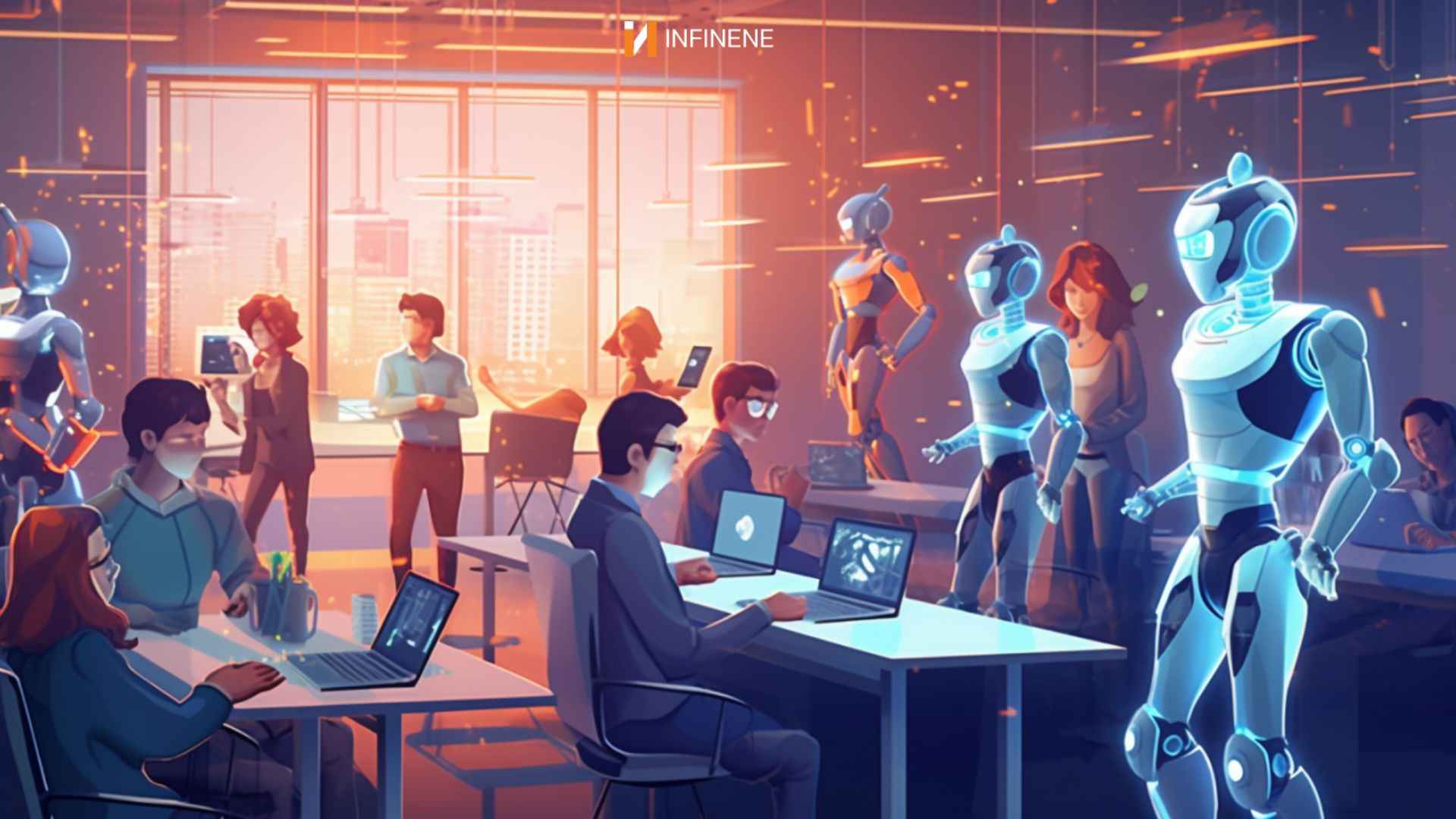
Artificial Intelligence (AI) has been making waves across industries, and education is no exception. But how are colleges able to detect the use of AI in academic settings? As AI-powered tools like ChatGPT and others become integral to student life, universities are grappling with both the opportunities and challenges that come with them. Let’s dive into the fascinating world of AI in college education and uncover how institutions are responding to this disruptive force.
AI has revolutionized how students approach learning. From personalized tutoring systems to automated essay drafting tools, AI is changing the game. However, with this convenience comes the risk of misuse. Many students are using AI to complete assignments, write essays, or even take tests—raising serious concerns about academic integrity. This AI disruption in college education has forced colleges to rethink their strategies and adopt new technologies to maintain fairness.
Detecting AI-generated content is no easy feat, but colleges are stepping up their game. Here are some of the methods being employed:
Just as students are using AI tools to create content, colleges are using advanced AI disruption in college education articles and tools like Turnitin’s AI detection feature to spot AI-generated text. These systems analyze patterns in writing style, vocabulary, and syntax to differentiate between human and AI-authored content.
Let’s be honest: the biggest question students are asking is, can colleges detect AI writing if they just "tweak" a few sentences? The answer in 2026 is a resounding yes. Modern AI detection in colleges doesn't just look for copied text; it measures "burstiness"—the natural, messy human rhythm of mixing long, winding sentences with short, punchy ones. Because AI models are essentially "super-charged predictive text," they tend to be too consistent, creating a flat, metronome-like flow that triggers AI plagiarism detection tools instantly. For professors, a paper that’s "too perfect" is now the biggest red flag of all, as these tools can now spot the mathematical fingerprints of a machine even through heavy editing.
Some AI tools embed subtle digital watermarks into the content they generate. Colleges can use specialized software to detect these marks, providing a straightforward way to identify AI usage.
Traditional plagiarism checkers have been upgraded with AI-detection capabilities. They can now flag text that matches common AI-generated patterns or previously seen outputs.
Instructors play a crucial role in identifying AI use. Professors often know their students’ writing styles well enough to spot sudden changes in tone or quality, prompting further investigation.
The AI disruption in college education has sparked debates about academic fairness, ethics, and the future of learning. If left unchecked, AI misuse could:
Undermine academic integrity.
Devalue genuine effort and hard work.
Create an uneven playing field among students.
By implementing robust detection systems, colleges ensure that technology is used responsibly while maintaining the core values of education.
Read more here: How Did Someone Hack My Phone from Instagram: Insights and Protection Tips
Colleges are not just about enforcing rules; they’re also about educating students on responsible AI use. Many institutions now offer workshops, seminars, and AI disruption in college education articles to guide students on leveraging AI ethically.
Instead of banning AI tools outright, colleges are encouraging their ethical use. For instance, AI can be a great assistant for brainstorming ideas, researching, or even editing drafts—as long as it’s used transparently and responsibly.
As technology continues to evolve, so will its impact on education. Colleges are likely to adopt even more sophisticated detection tools and develop curriculums that integrate AI responsibly. The goal? To prepare students for a world where AI is an integral part of every profession.
So, how are colleges able to detect the use of AI? By staying one step ahead with cutting-edge tools and fostering a culture of accountability. The presence of AI in college education is undeniable, and its disruption is reshaping how we think about learning. As students, educators, and technology enthusiasts, we all have a role to play in ensuring AI is a force for good in academia.
At InfineneTech, we’re passionate about helping educational institutions navigate these technological shifts. Whether it’s deploying advanced AI detection software or offering consultancy on responsible AI integration, we’re here to support the journey into the future of education.